
System modeling
We build digital representations of equipment, facilities and processes, identifying their components, variables and functional relationships.
SIMULATION · DATA · DIGITAL INTELLIGENCE
At Neuronova Sigma, we develop digital twins that represent equipment, processes and facilities through computational models linked to information from the physical environment. These solutions help analyze behavior, evaluate scenarios and improve decision making.
A digital twin is a computational representation of a physical system that makes it possible to study its operation using models, data and, when appropriate, information from sensors and operational systems.
Unlike a conventional three-dimensional representation, a digital twin can incorporate operating variables, relationships between components, operating conditions and simulation mechanisms.
Its scope depends on the project objective, the information available and the level of integration required.
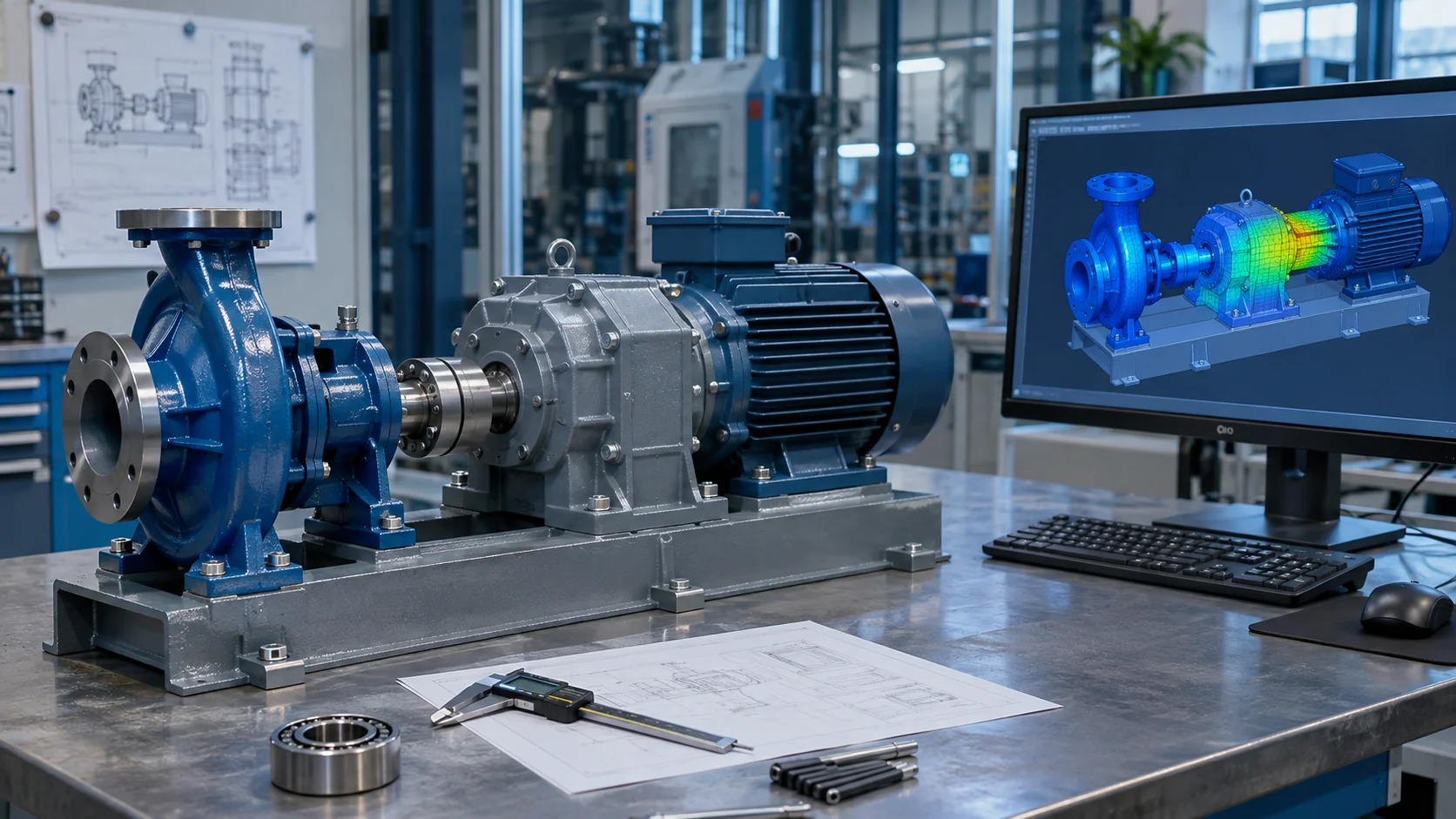
We combine modeling, software engineering, data analysis and simulation to develop digital representations useful for operations and planning.
We build digital representations of equipment, facilities and processes, identifying their components, variables and functional relationships.
We design mechanisms to incorporate information from sensors, industrial platforms, operational records and other available sources.
We develop models to evaluate operating conditions, compare alternatives and analyze the effects of possible changes.
We incorporate analytical tools and AI models when they add value to pattern detection, behavior assessment or decision support.
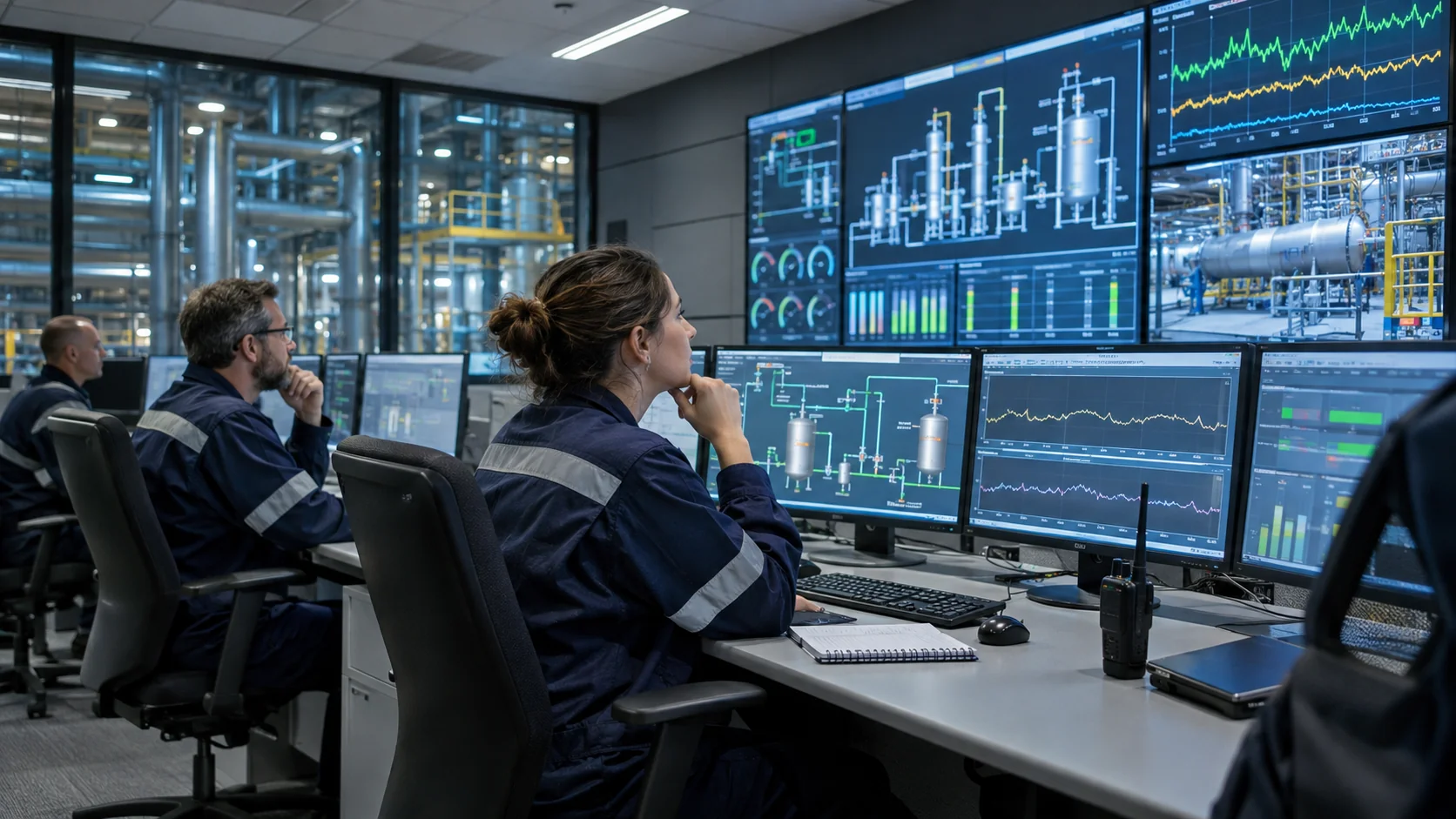
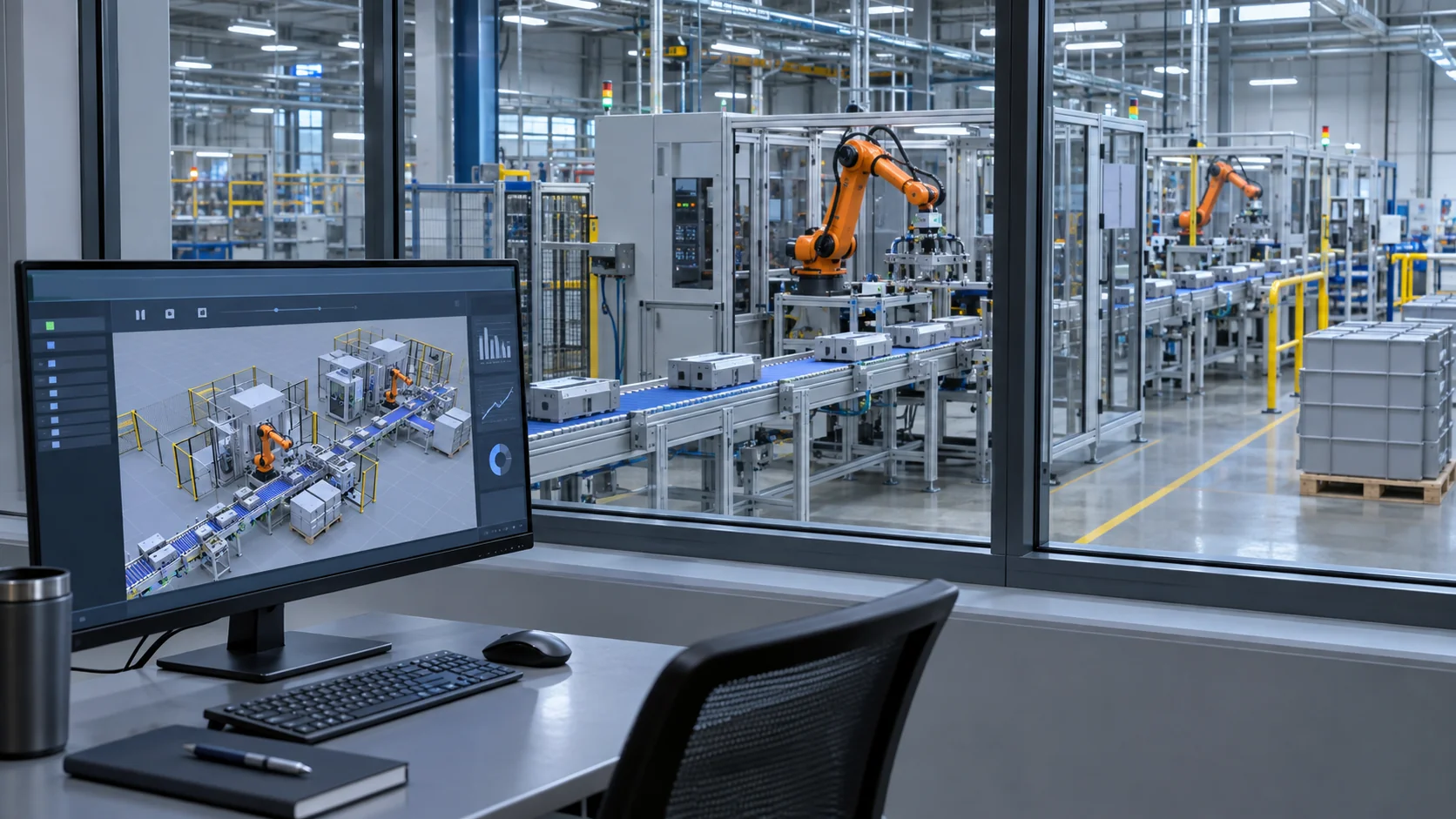
Representation of equipment and production lines to study capacity, operating conditions and optimization opportunities.
Modeling of technical facilities to analyze operation, maintenance, consumption and intervention planning.
Simulation of flows, resources and processes to compare operation and distribution scenarios.
Creation of digital environments to test hypotheses, evaluate configurations and analyze results before intervening in physical systems.
Digital representations of organs, devices and clinical processes to study scenarios, plan interventions and support research, according to the available evidence and data.
Modeling of platforms, equipment and logistics systems to analyze maintenance, readiness, training and operating conditions in controlled environments.
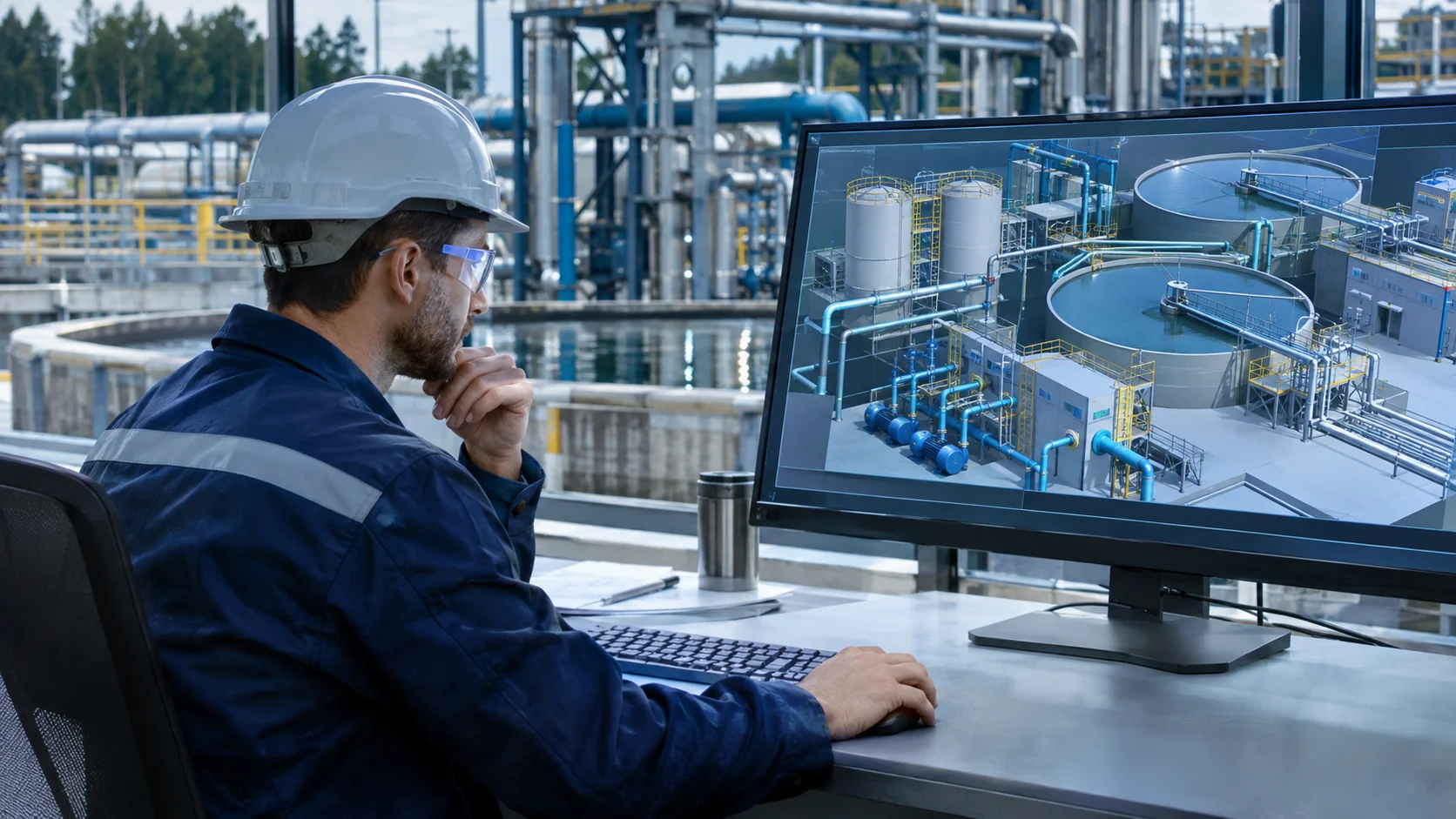
We identify the system, objectives, relevant variables and available information.
We define the digital architecture and build the models needed to represent the behaviors of interest.
We connect relevant data sources and develop processing and visualization mechanisms.
We compare model results with observable data and behavior, documenting the representation’s scope and limitations.
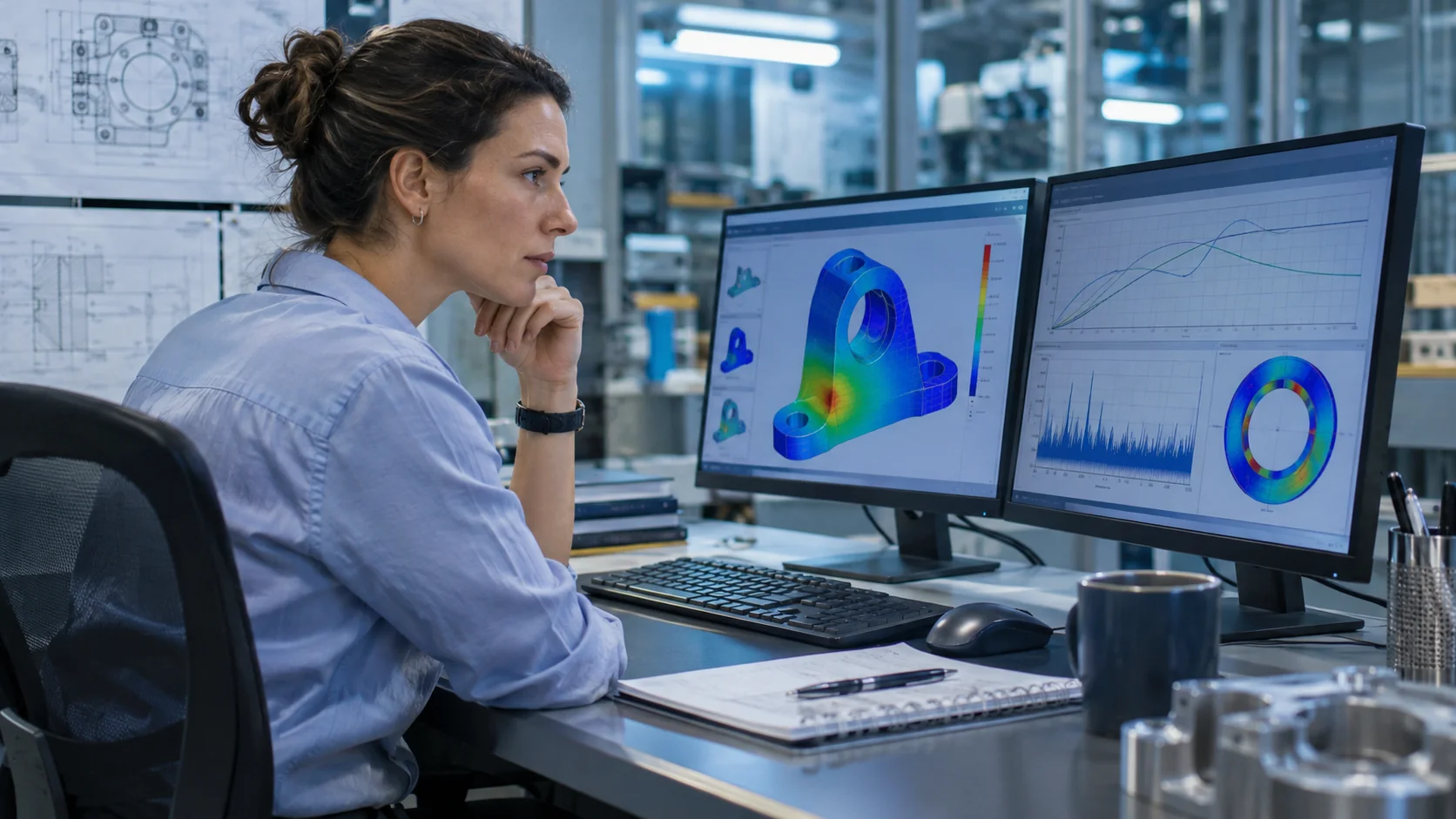
Digital twins make it possible to explore scenarios without directly intervening in the physical system for every evaluation. Depending on their design and data quality, they can help reduce technical uncertainty, anticipate behavior, study alternatives and improve planning.
Not every project requires real-time simulation. The architecture should respond to the specific problem and the level of precision needed.
CONTACT
Tell us which equipment, process or facility you need to represent. We will assess the available information, analysis objectives and technical scope of a possible solution.